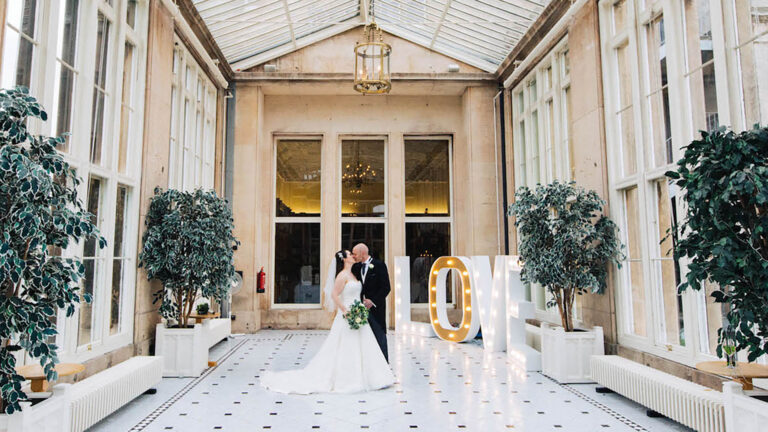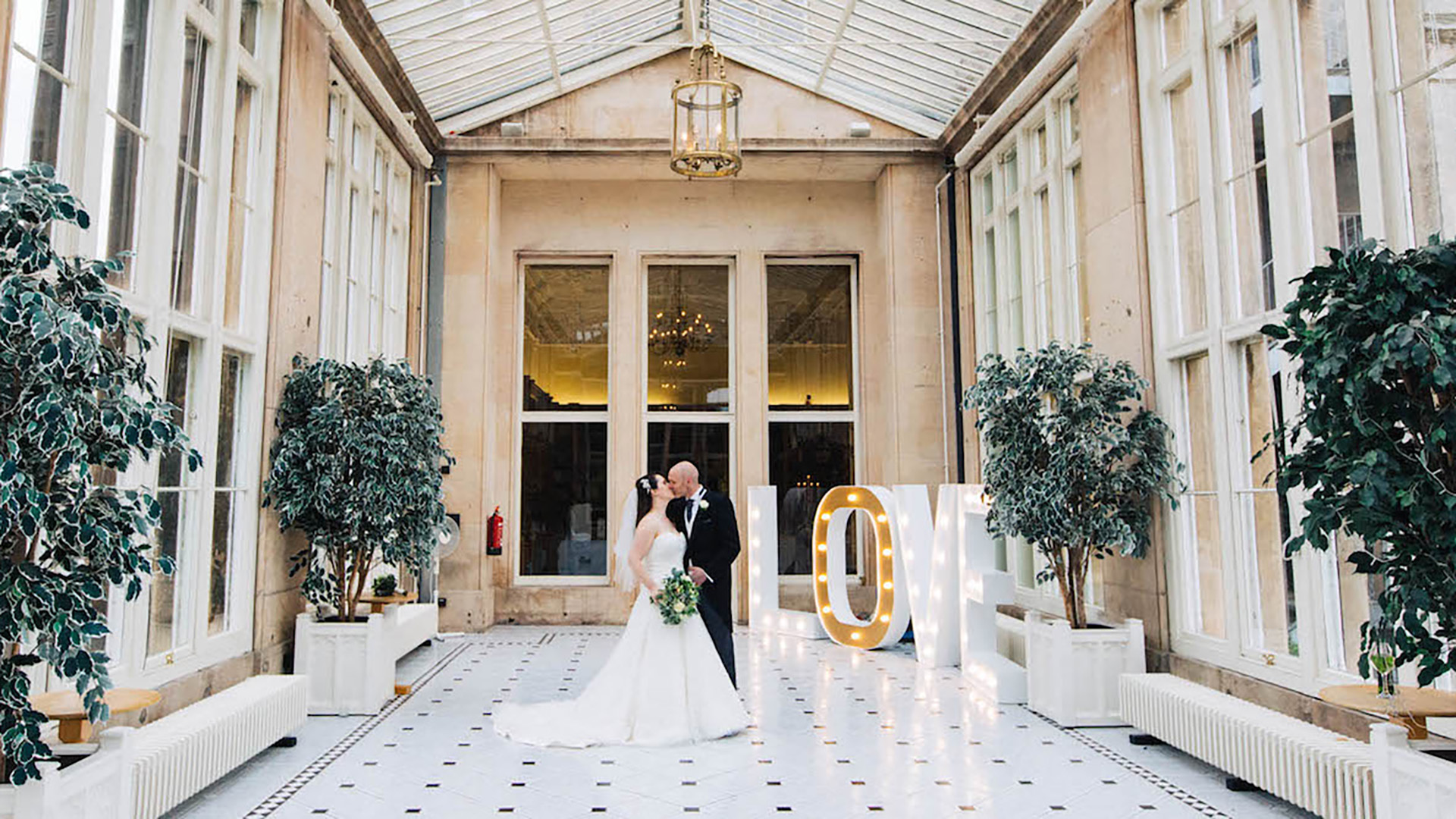
A Photographer’s Guide to Getting Married in Cheshire
There is a reason Cheshire punches so far above its weight for weddings.
Drive twenty minutes in almost any direction from the middle of the county and you will pass a sandstone castle, a Jacobean hall, a lakeside barn, a Georgian country house and about four hundred acres of extremely photogenic farmland. Then consider that all of it sits within roughly an hour of both Manchester and Liverpool, which gives Cheshire the largest guest catchment of any rural county in England, and you start to understand why couples travel here to marry from all over the North West and well beyond.
The county currently has somewhere in the region of 170+ licensed wedding venues. That is a wonderful problem to have and a genuinely overwhelming one to solve.
This guide is my attempt to make it easier. It is written from a photographer’s point of view, which is a more useful lens than it might sound, because photographers spend their working lives thinking about the two things that shape a wedding day more than anything else: light and time. Where the sun will be at four in the afternoon in October. How long it really takes to move a hundred guests from a lawn to a dining room. Which prep room will glow and which will look like a beige box.
So we will cover the venues and the areas, yes. But also how Cheshire light behaves through the seasons, how to view a venue like someone who has to work in it, the legal bits with the registrars, realistic costs, how to build a supplier team, and the timings that make a day feel unhurried rather than chased.
Whether or not I end up photographing your wedding, I would like this to be the most useful page you read while planning it.
Why Cheshire Works So Well for Weddings

Three things, really.
The variety. Very few counties offer this many genuinely different kinds of wedding within a thirty mile radius. You can marry in a Victorian castle with views across the Cheshire Plain to the Welsh hills, in a converted oak barn beside a lake, in a Georgian house with walled gardens, in a woodland clearing, in a Chester townhouse, or in a five hundred capacity resort. The style you want almost certainly exists here.
The accessibility. Manchester and Liverpool airports are both close. The M6, M56 and M53 make guest travel manageable from almost anywhere. Chester, Manchester and Liverpool give out of town guests somewhere to stay and something to do the following day. This matters more than couples expect, because guest logistics quietly determine how many people actually come.
The landscape itself. Cheshire is gentle, green and open, with sandstone ridges, meres and long low horizons. That last part is a photographer’s point: flat, open country means you get an enormous amount of sky, and sky is where all the good evening light lives. The Cheshire Plain produces some genuinely spectacular sunsets, and there is very little in the way of hills or high buildings to cut them short.
The Areas: A Quick Geography
Couples often search by venue name, but it helps to think by area first, because location shapes guest travel, accommodation and the feel of the day.
North Cheshire and the Mersey corridor. Runcorn, Frodsham, Warrington, Widnes and the surrounding villages. Well connected, close to Liverpool and Manchester, and often better value than the county’s fashionable middle. Frodsham and the Overton Hill area give you elevation and views, which is rarer in Cheshire than you might think.
The Golden Triangle. Alderley Edge, Wilmslow, Prestbury, Knutsford and Hale. Cheshire’s most affluent corner, close to Manchester, with polished country house hotels, boutique venues and some very refined barn conversions. Guests will find plenty of good accommodation. Expect prices to reflect the postcode.
Chester and west Cheshire. The city itself is a genuinely beautiful place to marry, with Roman walls, Georgian streets and a compact centre that works brilliantly for guests. Out toward Tarporley, Tattenhall and Malpas you find the county’s castle and estate country, running down to the Welsh border.
Mid Cheshire. Northwich, Delamere, Cuddington and the forest belt. Woodland venues, lakes, blank canvas sites and a slightly more relaxed, festival-leaning feel. Delamere Forest is on the doorstep.
South Cheshire. Nantwich, Crewe, Wrenbury and the countryside toward Shropshire. Handsome halls, working estates, quieter roads and generally gentler pricing than the north of the county.
East Cheshire and the Peak fringe. Macclesfield, Bollington, Rainow and the edge of the Peak District. This is where Cheshire gets hilly and dramatic, and if you want proper landscape in your photographs, this corner and the Welsh border are where to look.
The Venue Landscape, by Type
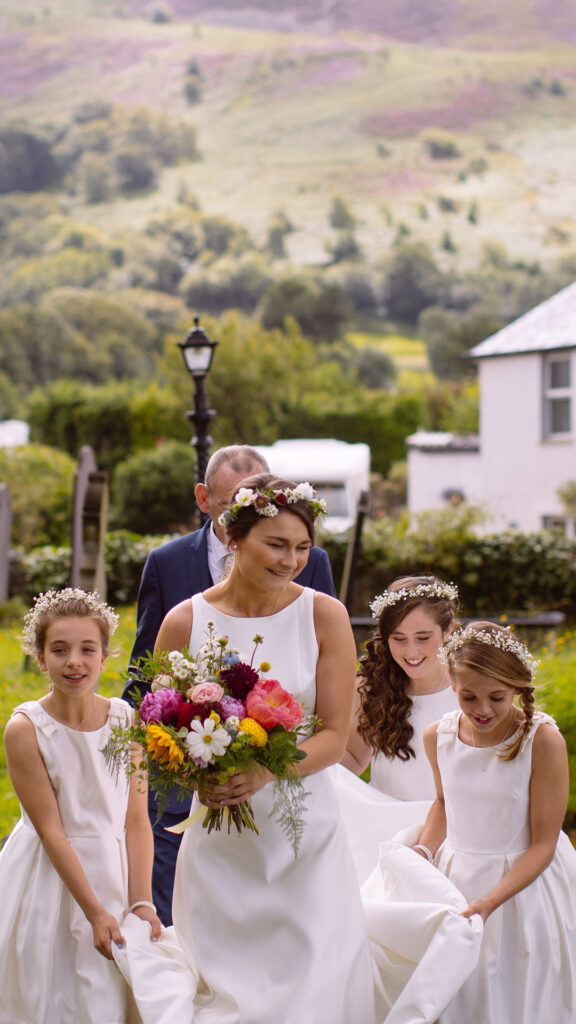
Rather than a ranked list of names, here is how the county divides by type, with what each kind of venue actually gives you on the day. Cheshire’s most talked about venues include Peckforton Castle, Colshaw Hall, Combermere Abbey, Capesthorne Hall, Mottram Hall, Sandhole Oak Barn, Adlington Hall, Arley Hall, Cholmondeley Castle, Carden Park, Nunsmere Hall, Abbeywood Estate, The Oak Tree of Peover and Jodrell Bank, and they slot into the categories below.
Castles and stately homes
Sandstone, turrets, long approaches and a sense of occasion that is very hard to manufacture anywhere else. Peckforton Castle is the county’s flagship of this type, with battlement views over the Cheshire Plain toward Wales and enough bedrooms on site to keep the whole wedding party in one place. Cholmondeley Castle and Capesthorne Hall bring the stately home equivalent, with formal gardens and grand interiors.
What it means on the day: enormous visual drama and a built in sense of theatre. Watch for two things. First, historic interiors are often darker than they look on a bright viewing day, so ask what the ceremony room is like in November at 2pm. Second, grand estates are large, and moving guests across them takes longer than anyone plans for. Build in the extra ten minutes.
Country houses and exclusive use estates
The Cheshire signature. Georgian or Victorian houses with gardens, lakes, walled kitchen gardens and usually exclusive use for the day. Colshaw Hall, Wrenbury Hall, Nunsmere Hall and Abbeywood Estate sit here.
What it means on the day: these are usually the most photographically forgiving venues in the county, because you get several completely different backdrops within a short walk. House frontage, gardens, a lake, a walled garden, an avenue of trees. That variety is exactly what stops a gallery feeling repetitive. Exclusive use also means the day flows without strangers wandering through your photographs.
Barns and farm venues
Cheshire does barn weddings extremely well. Sandhole Oak Barn and The Oak Tree of Peover are the well known names, with plenty of smaller family run sites across the county.
What it means on the day: modern conversions are usually purpose built for weddings, which means the practical things have already been solved. The photographic question to ask is about the windows. Big glazed gables are wonderful and can also mean very high contrast at midday, with blown out windows behind a dark room. A good photographer handles this, but it is worth knowing which direction the glass faces, and whether the barn gets that lovely low evening light through the doors.
Hotels and resorts
Mottram Hall, Carden Park, The Mere, Crewe Hall, Rookery Hall and the Alderley Edge Hotel. Carden Park in particular is one of the few North West venues that can handle four to five hundred guests without adding a marquee, thanks to a thousand acre estate and two hundred bedrooms.
What it means on the day: the logistics are the easiest of any venue type. Guests stay on site, nobody drives, the timeline has natural slack in it, and there is always somewhere dry to go. The trade off is that hotels are rarely exclusive use, so expect other guests in the building, and interiors can be more corporate than characterful. The grounds usually save it.
Woodland, blank canvas and outdoor venues
Delamere Events, Cheshire Woodland Weddings and the growing number of tipi and marquee sites on private land. Increasingly popular, and the closest thing to a festival wedding the county offers.
What it means on the day: dappled woodland light is beautiful and technically demanding, and a good photographer will love it. The two things to plan are power and weather. Ask specifically about lighting after dark, generator capacity, and what the ground does after three days of rain, because in Cheshire that is not a hypothetical.
Chester, register offices and city weddings
Chester Register Office and the city’s hotels and townhouses. Cheshire East couples typically use Crewe or Macclesfield. Do not overlook this route: a register office ceremony followed by a restaurant or private hire reception makes a superb small wedding, and Chester’s walls, rows and Georgian streets are a genuinely lovely backdrop.
What it means on the day: efficient, intimate and often the best value in the county. Register office ceremony rooms are usually modest in size, so check guest capacity early, and be aware that ceremonies run to a tight schedule with another couple often booked directly after yours.
How to View a Venue Like a Photographer
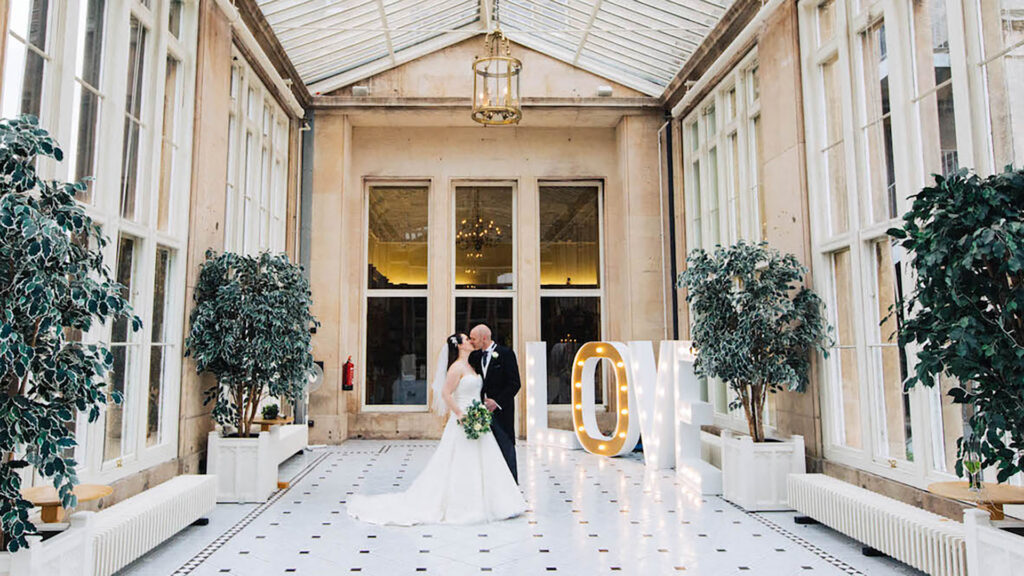
This is the section I would most like couples to use, because a venue viewing is a sales appointment and most couples arrive without a list of questions. Take this one.
Ask which way the ceremony space faces. South facing outdoor ceremony spots look glorious in the brochure and can mean squinting guests and harsh shadows at 1pm in June. It is not a dealbreaker, it is just something your photographer needs to know about. Ask, and pass the answer on.
Ask where the sun sets, and what is in that direction. Then ask whether you can be out there for twenty minutes in the evening. The hour before sunset is the most flattering light of the entire day, and the difference between a venue with a clear western horizon and one hemmed in by trees or buildings is significant.
Look at the getting ready room properly. Is there a big window? Is there space for four people plus dresses plus a makeup artist without everyone standing in shot? Is it painted a colour that will not cast strange tones on your skin? Morning preparations are three hours of your gallery, and the room decides how they look.
Ask what the wet weather plan actually is. Not whether there is one. What it is, specifically, and ask to stand in it. In Cheshire you should assume you will need it at least partially. A good indoor alternative with decent light is worth more than a beautiful lawn.
Ask about ceremony room light in your month. Historic rooms and barns can be much darker in winter than on a bright spring viewing. Photographers can work in low light, but knowing in advance changes how the day is planned.
Ask what the evening lighting is like. Festoon lights, uplighters, candles and a dimmable room make evening photographs sing. Bright overhead function room lighting does the opposite. Ask whether the lights can be dimmed for the first dance.
Ask how long it takes to move everyone. From ceremony to drinks, from drinks to dining, from dining to the dance floor. Multiply the answer by 1.5 and put that in your timeline.
Ask what else is happening that day. Exclusive use or not. Another wedding in the other wing. A golf society in the bar. It is better to know.
Ask about supplier access and restrictions. Some venues restrict photography during ceremonies, some have preferred supplier lists you must use, some have curfews. All fine, all worth knowing before you sign.
Take photos on your phone while you are there, and note the time. Genuinely. A photo of the ceremony room at 3pm in March tells your photographer more than any brochure.
Cheshire Light Through the Year
Here is the thing that changes everything about a wedding day and that almost nobody considers when picking a date: your sunset time.
Everything about how your evening runs, and where the best photographs of the two of you will come from, follows from it. Approximate mid month sunsets for Cheshire, with the portrait window starting roughly an hour before:
| Month | Sunset | Portraits from |
|---|---|---|
| January | 4:20pm | 3:20pm |
| February | 5:15pm | 4:15pm |
| March | 6:10pm | 5:10pm |
| April | 8:10pm | 7:10pm |
| May | 9:00pm | 8:00pm |
| June | 9:40pm | 8:40pm |
| July | 9:30pm | 8:30pm |
| August | 8:40pm | 7:40pm |
| September | 7:30pm | 6:30pm |
| October | 6:20pm | 5:20pm |
| November | 4:20pm | 3:20pm |
| December | 3:55pm | 2:55pm |
Note the jump between March and April. That is the clocks changing, and it means an early April wedding and a late March wedding are structurally different days.
Spring, March to May. My quiet favourite. Long enough evenings for proper golden hour portraits, gardens waking up, blossom in April, bluebells in the Cheshire woodlands in late April and early May, and much better availability than peak summer. The weather is a lottery, but Cheshire spring light is soft and lovely.
Summer, June to August. Peak season, and there is a reason. Long days, warm evenings, everything green. Two things to plan for. Midday sun is the harshest light of the year, so avoid scheduling anything visually important around 1pm outdoors. And golden hour is very late, which means your portrait window in June may fall at 8:40pm, after the meal and often mid party. That is completely workable, it just needs putting in the timeline deliberately.
Autumn, September to November. Photographically the best value in the county. September still has warmth and light, October brings the colour, and sunset moves to a civilised hour that slots neatly between the meal and the evening. Delamere and the Cheshire estates are genuinely beautiful in October. Availability and pricing are usually better than summer too.
Winter, December to February. Underrated, and increasingly popular. Sunset before 4:30pm means golden hour happens during your drinks reception rather than after dinner, so portraits simply move to straight after the ceremony while the light is still gold, and the whole evening stays free for celebrating. Candlelight, fairy lights, frost and dramatic four o’clock skies. Winter weddings look nothing like summer ones, and that is the point.
There is much more on planning around light in my guide to the perfect wedding day timeline, which includes the full sunset table and a worksheet.
The Legal Bit: Registrars, Notice and Where You Can Marry

Cheshire is covered by two separate registration services, and which one you deal with depends on where the ceremony is happening.
Cheshire West and Chester covers Chester, Northwich, Winsford, Ellesmere Port, Frodsham and the west of the county. Cheshire East covers Macclesfield, Crewe, Nantwich, Congleton, Knutsford and Wilmslow. Warrington and Halton, which includes Runcorn and Widnes, are separate unitary authorities with their own registration services.
Giving notice. Both of you must give legal notice, and this happens in the district where you live, not where you are marrying. You must give notice at least 28 clear days before the ceremony, and you can do it up to 12 months in advance. Notice fees in Cheshire East are around £46.50 per person for a midweek appointment, rising for a premium Saturday slot. Budget similarly for Cheshire West.
Booking the registrar. This is the step couples most often forget. Your venue booking and your registrar booking are two different things, and the registrar is not automatically reserved when you book the venue. Both Cheshire services take approved premises bookings up to three years ahead, and Cheshire East asks for a non refundable booking fee of around £300 to hold the date. Book your registrar as soon as your venue is confirmed. Popular Saturdays in summer do run out.
Register office ceremonies are considerably cheaper. A ceremony in the register office in Cheshire East is currently around £74.50 including one certificate. If you are planning a small wedding, this is an excellent and often overlooked route.
Outdoor ceremonies. Since 2021, and made permanent in 2022, civil ceremonies can legally take place outdoors within the grounds of a licensed venue, rather than only inside an approved room or permanent structure. This is why so many Cheshire venues now offer lakeside, garden and woodland ceremonies. The important caveat: the venue itself must hold the licence, and the outdoor space must be within its approved boundary. You cannot legally marry in a field, a beach or your parents’ garden unless it forms part of licensed approved premises.
Celebrants. Humanist and independent celebrant ceremonies are still not legally binding in England and Wales. If you want a celebrant led ceremony, and many couples do because they are far more personal, you will need a short legal ceremony at a register office separately, usually a day or two before. This is completely normal and very common.
One thing to watch in 2026. The Government is consulting on the most significant reform of wedding law in decades, with proposals that could shift from licensing buildings to authorising officiants, potentially allowing legally binding ceremonies in a much wider range of places and by celebrants. The consultation is running through 2026 and nothing has changed yet, so plan under current rules, but it is worth being aware that this may look different in a few years.
Building Your Cheshire Supplier Team
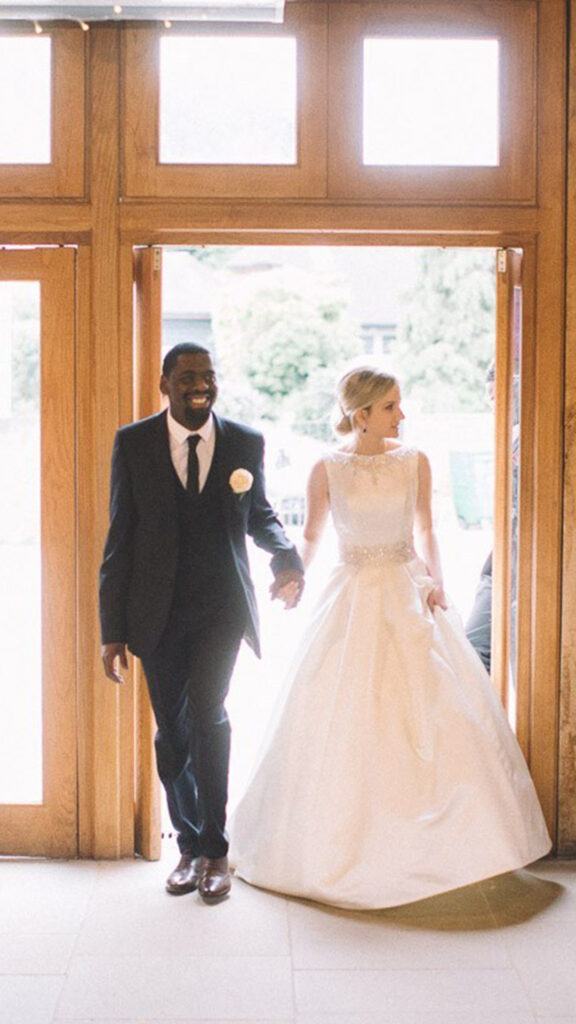
The county is well served, and the best suppliers book out eighteen months ahead for peak dates. A few thoughts on each, from someone who works alongside them.
Venue and photographer first. These are the only two suppliers who can genuinely serve just one wedding per day. Everything else scales. Book the venue, then the photographer, then everyone else.
Registrar immediately after the venue. See above. It is the most commonly forgotten booking in the entire process.
Catering. Most Cheshire country houses and hotels cater in house. Barns and blank canvas venues usually work from an approved caterer list. Expect catering to run somewhere in the region of £70 to £140 per head depending on the venue and the menu. Ask about the timing of service, because a leisurely three course meal takes two hours and that is a substantial chunk of your day.
Flowers. Cheshire has excellent florists, and a growing number of British grown, seasonal and foam free studios. A tip worth its weight: ask your florist to design the ceremony flowers so they can be moved to the reception. Same flowers, two rooms, half the cost.
Hair and makeup. Book early and do a trial. Then, and this is the important part, ask for realistic per person timings and add an hour of buffer. Hair and makeup overrunning is the single most common cause of a late ceremony, at every wedding, everywhere.
Music. Cheshire has a deep bench of bands, DJs and acoustic acts. Two practical questions: what are the venue’s sound limiter settings, and what time is the curfew. Rural venues often have both, and a band that has played the venue before will know how to work with them.
Cars and transport. If your ceremony and reception are in different places, or your venue is rural, think hard about guest transport. A coach from a Chester or Knutsford hotel is money extremely well spent, and it also means more of your guests can enjoy themselves properly.
Videographer. If you want one, book someone your photographer can work alongside. Ask both whether they have worked together, or at least whether they are comfortable sharing the day. A photographer and videographer who coordinate produce better results than two people quietly competing for the same angle.
Planner or on the day coordinator. Worth considering for blank canvas, marquee and multi supplier weddings. Country houses and hotels usually provide a coordinator as standard.
What a Cheshire Wedding Actually Costs
Honest ranges, because vague answers help nobody.
Venue hire in Cheshire typically runs from around £4,000 to £20,000 before catering, depending on the venue’s profile, the season and whether you want exclusive use. Catering adds roughly £70 to £140 per head. Between them, those two lines usually account for over half of a total budget.
Photography – Cheshire wedding photographer typically works out at 10 to 15 per cent of a total wedding budget. In the North West, most couples spend somewhere between £1,000 and £2,500 for full day coverage, with the professional middle of the market sitting around £1,500 to £2,000. My own collections start from £1195.
Ways Cheshire couples genuinely save money without the day feeling smaller:
Marry off season. October to March pricing at many venues is substantially lower than June to September, and October in particular is beautiful.
Marry on a Friday or Sunday. Often significantly cheaper for exactly the same day, and increasingly normal.
Shorten the guest list rather than the quality. Twenty fewer guests at £100 a head is £2,000, and nobody notices except your budget.
Use the register office for the legal ceremony and spend the saving on the celebration.
Keep the flowers seasonal and let them do two jobs.
Do not economise on the two things you keep. Your photographs and, if you want one, your album are the only parts of the day that still exist in twenty years.
Weather, and Making Peace With It

You are marrying in the North West. It might rain. There is no version of Cheshire wedding planning where this is not true, so the sensible approach is to plan for it and then stop worrying.
The genuinely good news, and I mean this: overcast light is the most flattering light there is. No squinting, no harsh shadows, soft even skin tones. Some of the loveliest wedding photographs are made on grey days. Wet paving doubles every light source after dark. A couple under a clear umbrella, laughing at the chaos, is a better photograph than the same couple standing politely in sunshine.
Three practical things. Buy two large clear umbrellas now and put them in the car. Agree one sheltered spot with your venue in advance, and go and look at it. And tell your photographer early that you are willing to step outside for two minutes if the sky does something interesting, because in Cheshire the sky often does.
Beyond the Venue: Cheshire Locations Worth Knowing
For engagement shoots, day after sessions or simply if your venue’s grounds are limited, the county has plenty to work with.
Delamere Forest for woodland light, especially in autumn and in bluebell season. Frodsham and Helsby Hills for elevation and long views across the Mersey estuary, and genuinely spectacular sunsets. The Sandstone Trail along the ridge from Frodsham to Whitchurch for open landscape. Chester for architecture, the walls, the Rows and the river. Tatton Park in Knutsford for parkland, deer and formal gardens, subject to their photography permissions. The Wirral coast at West Kirby and Thurstaston for beach and estuary light within easy reach. Alderley Edge itself for woodland and a famous view. And a short drive west, North Wales for proper mountains and coastline if you want something dramatic.
Always check permissions for commercial photography at estates and country parks. Most are reasonable, several charge a modest fee, and a few require booking.
Putting It All Together: A Cheshire Day That Flows
A rough shape for a single venue Cheshire wedding with a 1:30pm ceremony, which is the sweet spot for most couples:
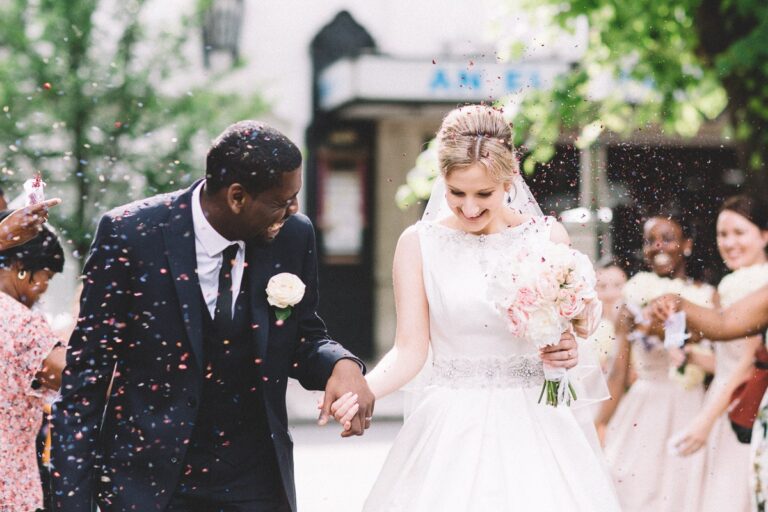
9:00am hair and makeup begins, ideally on site. 11:00am photography coverage starts with details and preparations. 12:45pm into the dress. 1:00pm guests arrive. 1:30pm ceremony, around thirty minutes for a civil service including the signing. 2:00pm confetti straight outside, then drinks. 2:45pm family groups, six to eight combinations, twenty minutes, done cheerfully. 3:15pm an hour with nothing scheduled, which couples consistently say is the part they remember most. 4:30pm call to dinner. 4:45pm wedding breakfast and speeches. 6:45pm room turnaround and evening guests arrive. Then golden hour portraits, timed to your month from the table above. 8:00pm cake and first dance.
Two principles hold that together. Add fifteen minutes of slack to every phase, because it disappears invisibly and buys you a day that feels unhurried. And build the evening around the light rather than through it.
I go into all of this properly, with two full sample timelines and a worksheet, in my wedding day timeline guide.
Frequently Asked Questions
How much does a wedding in Cheshire cost?
Venue hire commonly runs from around £4,000 to £20,000 before catering, with catering adding roughly £70 to £140 per head. Total budgets vary enormously, but Cheshire sits at the higher end of North West pricing, particularly in the Alderley Edge, Wilmslow and Knutsford area. Off season and midweek dates reduce costs substantially.
When is the best time of year to get married in Cheshire?
Photographically, late spring and early autumn. April and May give you long evenings, blossom and better availability than peak summer. September and October give warmth, colour and a golden hour that falls at a convenient time in the day. Winter is genuinely underrated if you like candlelight and dramatic skies.
Do I need to give notice in Cheshire if I live elsewhere?
You give notice in the district where you live, not where you are marrying. If you live in Manchester and are marrying in Chester, you give notice in Manchester. Notice must be given at least 28 clear days before the ceremony and can be given up to 12 months ahead.
Can we get married outdoors in Cheshire?
Yes, provided the venue holds a civil ceremony licence and the outdoor space sits within its approved boundary. Many Cheshire venues now offer lakeside, garden and woodland ceremonies. You cannot legally marry in an unlicensed field, garden or beach under current law.
Can a humanist or independent celebrant marry us in Cheshire?
Not legally, under current England and Wales law. Celebrant led ceremonies are wonderful and completely legitimate as ceremonies, but you will need a separate short legal ceremony at a register office. Reform is being consulted on, but nothing has changed yet.
How far in advance should we book a Cheshire wedding venue?
Popular venues take bookings 18 months to two years ahead for peak summer Saturdays, and several accept registrar bookings up to three years in advance. Off season and midweek dates are far more available at shorter notice.
What areas of Cheshire are best for wedding photographs?
Almost all of it, honestly. The county’s advantage is variety rather than one signature backdrop. If landscape matters to you, look east toward the Peak fringe or west toward the sandstone ridge and the Welsh border. If you want gardens and architecture, the country house belt through the middle of the county is hard to beat.
Do we need a second photographer for a Cheshire wedding?
Usually not, but It helps if you are getting ready in different locations, if your guest list is above roughly 120, or at very large estate venues where the day is spread out. One photographer in the right place beats two average ones everywhere.
A Last Thought
Cheshire will give you a beautiful wedding almost regardless of what you choose. The venues are excellent, the suppliers are strong, and the county photographs beautifully in every season.
What separates a lovely Cheshire wedding from an extraordinary one is rarely the budget. It is the planning underneath it: a timeline with room to breathe, an evening built around the light rather than the caterer’s schedule, a guest list of people you actually want in the room, and suppliers you trust enough to stop managing on the day.
Grab The Perfect Wedding Timeline Template
Want all of this as a beautifully designed PDF – including a fill-in worksheet and month-by-month sunset table? Download The Perfect Wedding Day Timeline free, and plan your day around the moments that matter
Just drop your email and I’ll personally send you the PDF in less than five minutes!
No spam, no sales tactic, no pushy emails, promise!
Get that right and the photographs largely take care of themselves, because there is something real to photograph.