How to Find the Perfect Wedding Photographer in Ten Easy Steps
Unlike your other wedding vendors (music, flowers, catering or cake), photographs are not something you can hear, taste, smell or even see in advance. You are not really sure what you are getting until after the wedding. That makes careful research into professional skill, artistic style and personal character extra important when choosing your wedding photographer. Here is how to choose a photographer the best one in ten steps.
Step One: Decide on Your Photography Style
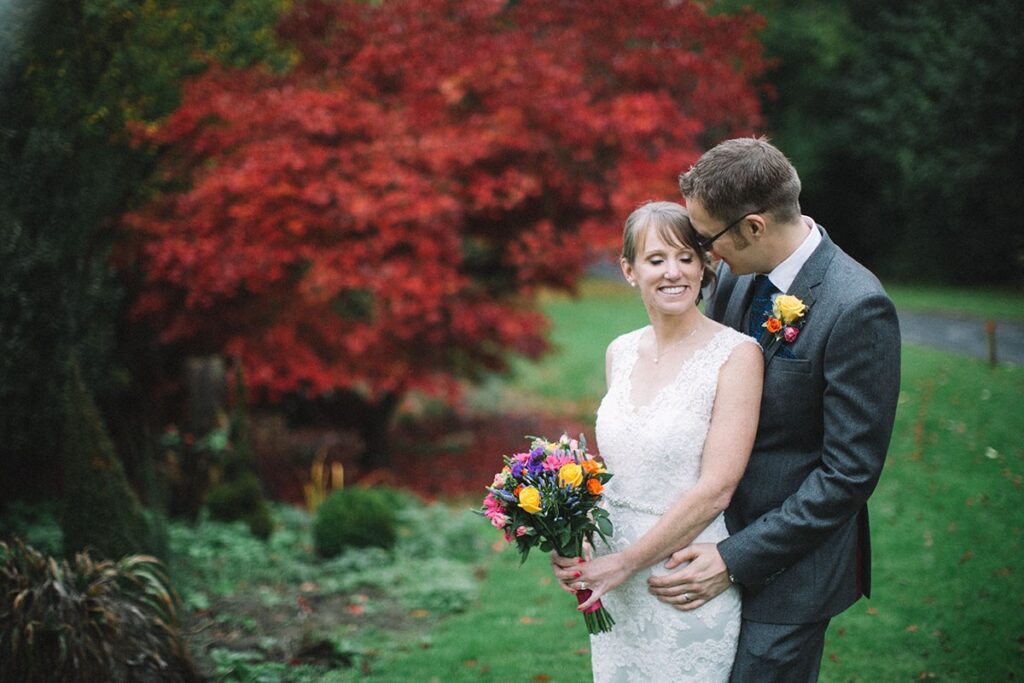
Before you start researching photographers, decide what style of photography you prefer, as that will guide who you want shooting your wedding. Does one of the following appeal to you?
Documentary Photography: Instead of a series of posed shots, these are candid, spontaneous, un-styled pictures of people, decor and the action. Typical shots might include the food before guests start digging in, your cousins on the dance floor, or you and your bridesmaids laughing with a glass of champagne in hand. With a purely photojournalistic photographer you will rarely see people staring at the camera. The photos capture the wedding exactly as it happened, and together they tell a story.
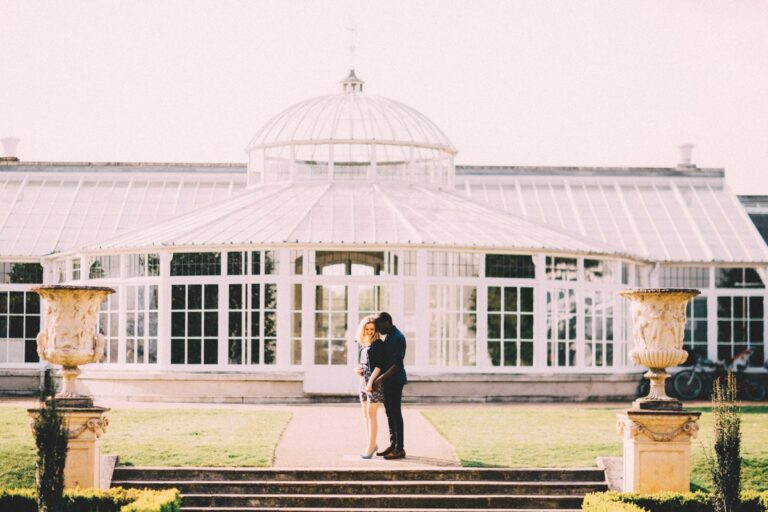
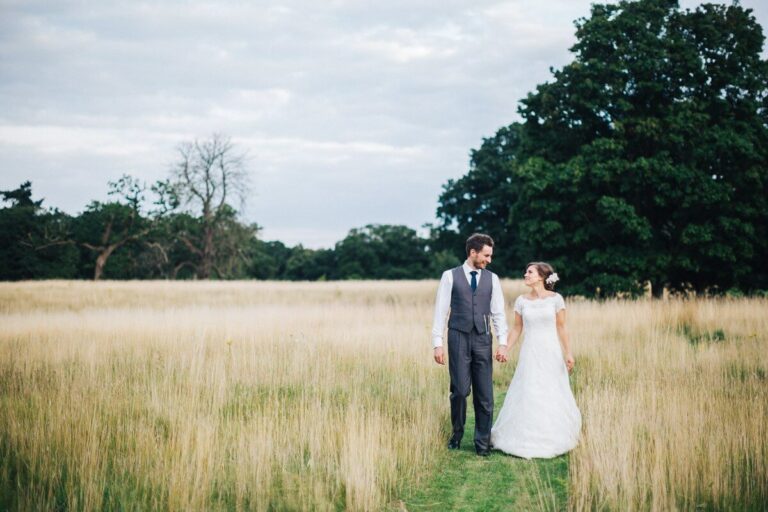
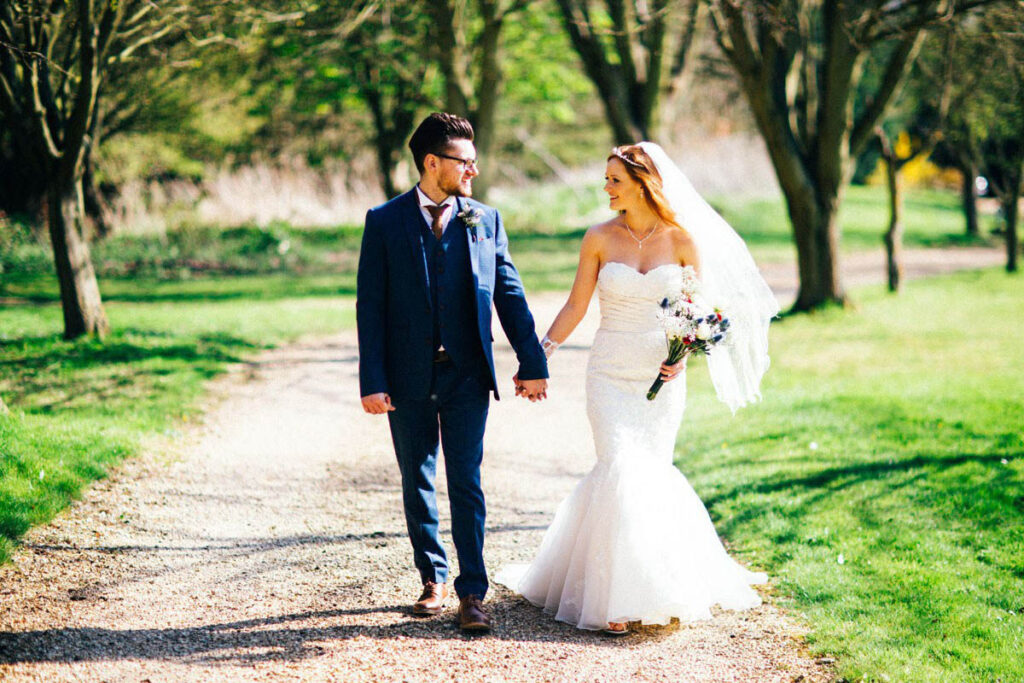
Portraiture Photography: If you prefer classic portraits, go with a traditional photographer who specialises in wedding portraiture. These are posed shots of the two of you, your friends and your family in front of various backdrops. That is not to say there is no room for creativity. While some photographers pose subjects in traditional spots (at the ceremony altar, or out on a lawn) and in formal arrangements, others take portraiture into a more creative realm with dramatic composition, such as the couple holding hands in the middle of a quiet country lane with the hills behind them.
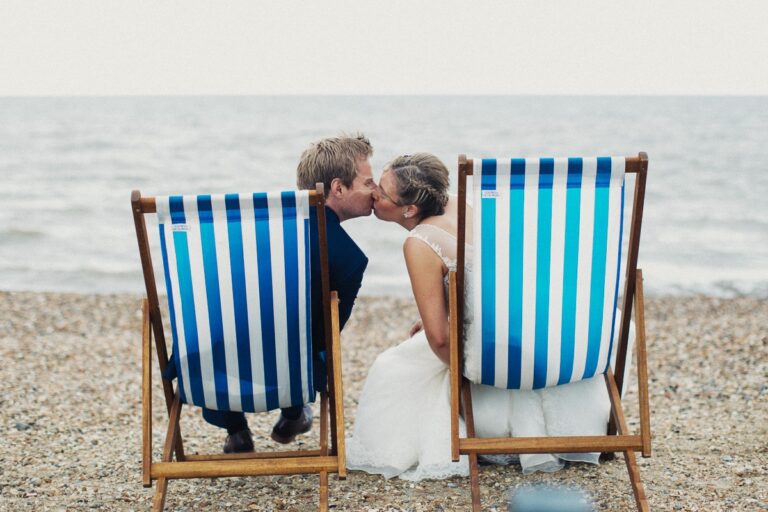
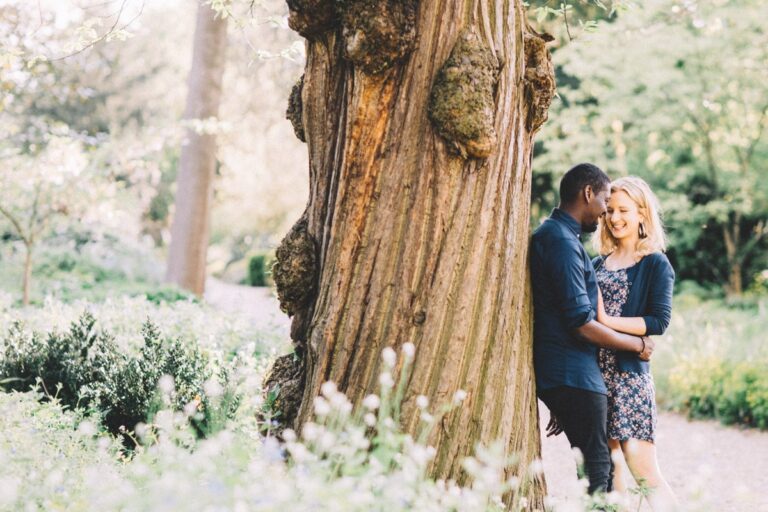
Fine Art Wedding Photography: Similar to documentary wedding photography, but with greater artistic license for the photographer to bring their own point of view and style to your pictures. The shots reflect reality, but it is the photographer’s reality. The images are usually dramatic and gorgeous, often shot on film (or made to look that way) with a grainier, dreamier, more muted feel. Typically the couple is in focus and the background is a blissful blur, and motion looks very natural. The few photographers who still shoot only on film tend to fall into this category and often work in black and white, or a mix of both. A digital camera can capture this style too with the right gear and lenses. Not all fine-art photographers shoot classic portraits, so you might consider asking for a second shooter to capture some traditional portraits and family shots.
Edgy or Bold Photography: An offspring of fine art, this style is marked by outside-the-box angles and unconventional framing. Instead of a straight shot of the couple exchanging vows, the photo might be tilted, with an object like a candle or floral arrangement in the foreground. A portrait of a bridesmaid might be framed so her face fills only the bottom corner, with the rest given over to the space behind her.
Many photographers blend portraiture and documentary work, and mix black-and-white with colour, but if there is a particular style you love, focus on photographers who specialise in it.
Step Two: Research
Start by reading reviews from recent local couples and browsing listings and wedding blogs. Look carefully through photographers’ websites and blogs to see full weddings they have shot, which gives you a feel for their style. The design of a website often hints at the photographer’s personality and sensibility too. Check their Instagram and Facebook if you can. Is the client feedback positive? How quickly and thoughtfully do they respond to enquiries?
Step Three: Meet a Potential Photographer
This is not a decision to make on looks alone, so meet your shortlisted photographers in person. If you like what you see online and their prices fit within your budget, get in touch to check availability for your date. If they are already booked, ask whether they have an associate or can recommend someone with a similar style. Try to set up meetings with two to three available photographers to see more of their work and get a sense of whether your personalities click. I can’t stress the “click” part enough – the person will be with you on your wedding day – for the duration of it. If you don’t click it just won’t work – you can’t relax, you can’t get comfortable and it will show in the photos.
Be ready to talk about your venue, your style and what you envision for the day.
Step Four: See a Full Wedding Album
Do not base your decision on a portfolio gallery alone. Photographers naturally show their very best work, pulled from many different weddings, so you are seeing the highlights of the highlights, which may not give you a rounded picture. Ask to see two or three full galleries from real weddings so you know what your complete collection might look like. If the full galleries are as strong as the portfolio, you are on the right track. Also ask to see one or two complete albums from weddings with similar venues and lighting to yours. If you are planning a dark indoor affair, do not judge only by weddings shot outdoors in natural light.
Step Five: Pay Attention to Detail
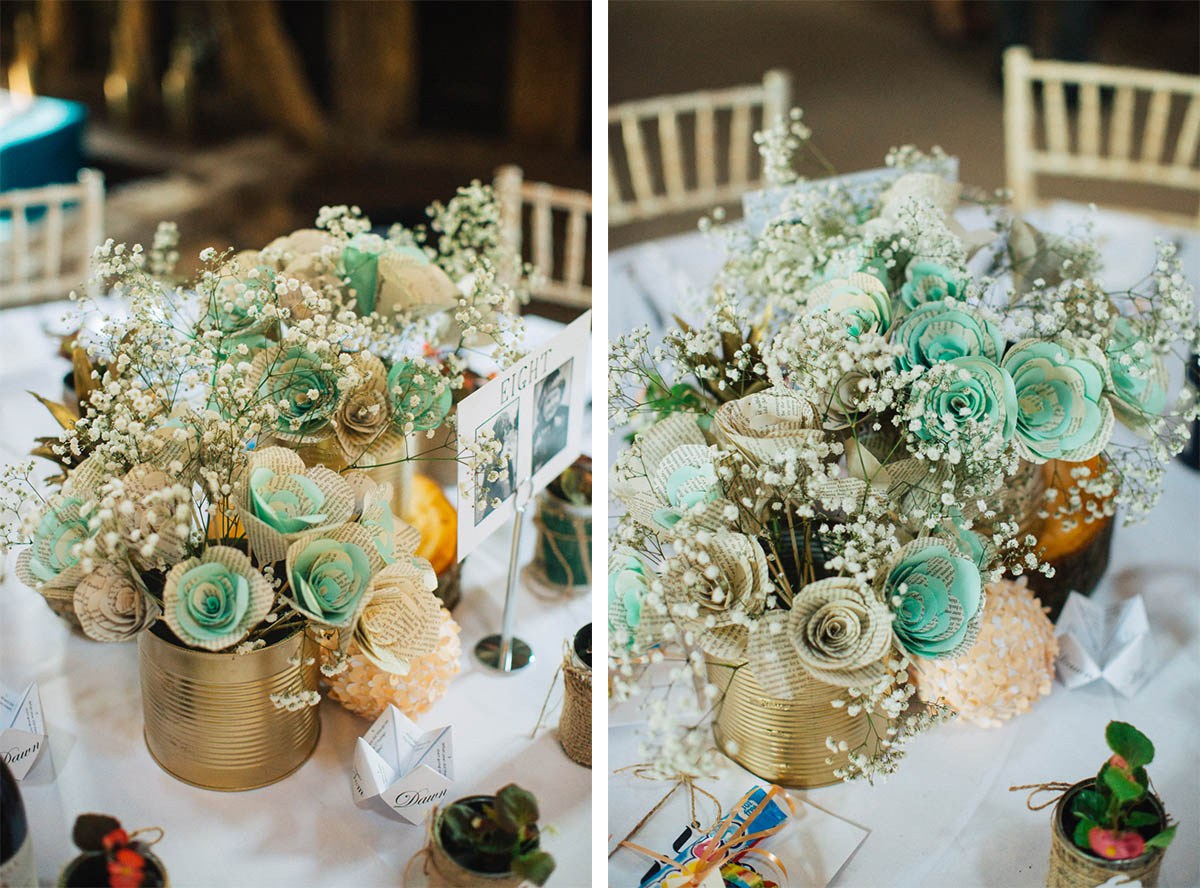
When reviewing an album, look for the key moments you want captured. Did they catch the bride and groom as they locked eyes for the first time? Look for sharp images, thoughtful composition and good lighting, and be wary of washed-out pictures where the detail is lost, unless that is the look you are after. Pay attention to how emotion is captured: the subjects should look relaxed, not like deer caught in headlights. The two of you matter most, of course, but you also want to see smiling, natural shots of your friends and family.
Step Six: See If You “Click”
Never underestimate the importance of bonding with your photographer. Are they excited by your vision when you describe it? When they make suggestions, are they clear and respectful? The best results come from a photographer with social grace who is also bold enough to hunt for great images, who puts you at ease and never irritates you. Remember, they will be shadowing your every move all day, and the more comfortable you both are, the better the photos will be. You also want someone who shoots your guests in their best light, unobtrusively, drawing out relaxed smiles rather than annoying anyone. They should ask plenty of questions and be a very good listener.
Step Seven: Book Your Photographer
Include clear stipulations in the contract about who will cover should something happen to your photographer on the day. Ask whether they bring assistants or second shooters, and if so, how many. If your budget allows, consider a second shooter. Many established photographers include one as standard, but if it is not part of the package, it is worth asking. The main benefit is twice the coverage: during the formal session one photographer can capture the posed shots while the other catches behind-the-scenes, photojournalistic moments. For a larger wedding you might even ask about a third shooter so the day is covered from every angle.
Step Eight: Compare Wedding Collections
You will not be able to pin down an exact price until you know what you want, how many albums you need and where the photographer is based. Packages typically range from around £1,000 up to £5,000 and beyond at the higher end. When you enquire, ask for a general range based on the photographer’s shooting fee and standard package, plus their rates for the album you have in mind and the coverage you want. Find out exactly what is included as standard and the cost of any extras, such as an engagement shoot, special effects or additional hours, so you can compare like for like. Ideally you want your photographer there for the full day, from getting ready through to the first dance and beyond. Most packages include around 6 to 12 hours. It is usually wise to pay for a little more coverage if there is any chance of running over, because you want them there until the end. You might also consider whether you would like an engagement shoot or coverage of other weekend events, such as a bridesmaids’ lunch.
Step Nine: Know Your Rights
Most wedding contracts state that the photographer owns the rights to all images taken at the wedding. That means they can use them promotionally, on their website or blog, submit them for publication, or use them in advertising. It also means you usually cannot post the digital proofs anywhere you like. Many photographers ask that you only share watermarked or credited images. Unless you agree otherwise, if you want to print the images yourself or order an album elsewhere, you may need to buy the rights.
Step Ten: Get the Final Edit
It usually takes at least a few weeks to get your proofs back.
Why?
Your photographer is shooting an enormous number of raw files, far larger than typical JPEGs, often well past the 2,000 to 3,000 mark. Raw files give the photographer much greater control over correcting an image, but they also take far longer to cull, upload, process and edit for colour, exposure and so on. It varies, but many photographers spend an extra 40 hours editing a single wedding, so proofs can take six to eight weeks or longer depending on how busy they are. Worth asking: How many images should I expect? Will they be high resolution? Can I make my own prints, or do you retain the rights? Will the proofs be retouched, or does that happen after I make my selections? On retouching, ask what options are available, from simple white balancing to full beauty retouching and stylised effects, and what any of it costs.